Dry Skin: Causes, Problems, Effects, and How to Manage It
Dry Skin: Causes, Problems, Effects, and How to Manage It
Dry skin, also known as xerosis or xeroderma, is a common skin type where the skin lacks sufficient moisture and natural oils, leading to a rough, flaky, or tight feeling. This condition can affect anyone but is more prevalent in older adults, certain climates, or those with underlying health issues. While it provides less protection against environmental damage, proper care can alleviate symptoms and prevent complications. Let's explore the causes, problems, effects, and management strategies.
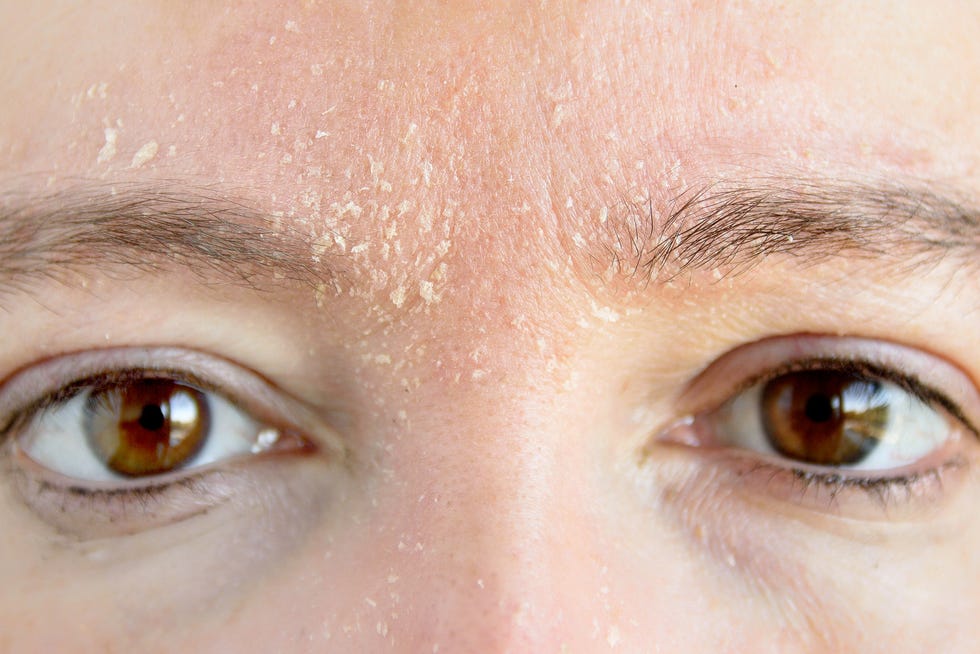
A close-up view of typical dry skin, showing flakiness and roughness:
Causes of Dry Skin
Dry skin occurs when the skin's outer layer loses water and lipids, impairing its barrier function. Common triggers include:
- Aging: As you get older, oil glands produce less sebum, and collagen decreases, leading to thinner, drier skin.
- Environmental Factors: Low humidity, cold weather, wind, or dry climates strip moisture from the skin.
- Lifestyle Habits: Frequent hot showers, harsh soaps, excessive bathing, or swimming in chlorinated water deplete natural oils.
- Health Conditions and Genetics: Conditions like eczema, psoriasis, diabetes, thyroid issues, or kidney disease can cause dryness; genetics may also play a role.
- Dehydration and Other Factors: Inadequate water intake, certain medications, or malnutrition contribute to moisture loss.
Here's a diagram illustrating dry skin structure compared to normal skin, highlighting reduced lipids and moisture:

Problems and Effects of Dry Skin
While often harmless, untreated dry skin can lead to discomfort and more serious issues, though it may offer some resistance to oil-related problems like acne.
- Itching and Irritation: Persistent itchiness (pruritus) that can disrupt sleep or daily activities.
- Flaking, Scaling, and Tightness: Skin feels rough, shows fine lines, or appears ashy, especially on darker skin tones.
- Cracking and Bleeding: Deep fissures that may crack open and bleed, increasing infection risk.
- Complications: Can trigger or worsen eczema, lead to infections from breaks in the skin, or cause permanent changes like discoloration or thickening.
- Emotional Impact: May cause self-consciousness or frustration due to visible symptoms.
- Positive Effects: Less prone to breakouts, but more susceptible to early wrinkles and environmental damage.
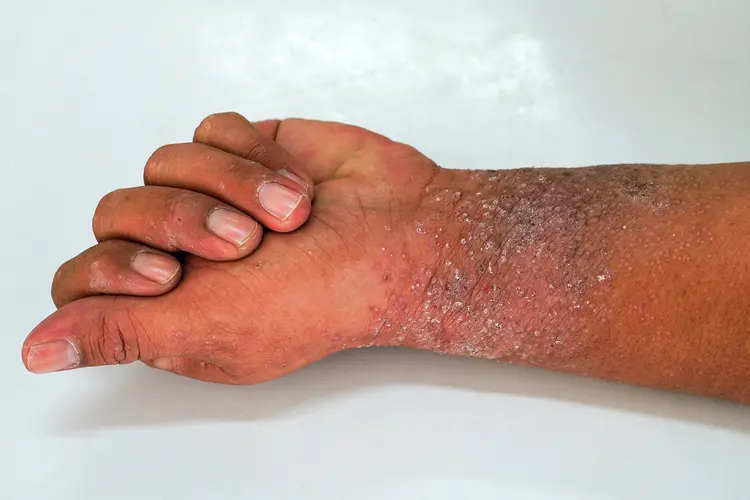
An example of dry skin effects, such as cracking and irritation:
Tips for Managing Dry Skin
Although dry skin can't always be cured, it can be effectively managed with lifestyle changes and targeted care to restore the skin barrier.
- Use gentle, fragrance-free cleansers and limit showers to 5-10 minutes with warm (not hot) water.
- Apply thick moisturizers containing ceramides, hyaluronic acid, or glycerin immediately after bathing while skin is damp.
- Stay hydrated by drinking plenty of water and using a humidifier in dry environments.
- Avoid harsh soaps, alcohol-based products, and excessive sun exposure; wear protective clothing.
- For severe cases, consult a dermatologist for prescription treatments or to rule out underlying conditions.
Visual tips for handling dry skin and a skincare routine:
:max_bytes(150000):strip_icc()/Health-Skincare-routine-2-24a82e592e4b4b52b22fce0d1f64d6a0.jpg)
Prioritize hydration and gentle care to keep your skin comfortable—consistency pays off! If issues worsen, seek medical advice.