Combination Skin: Causes, Problems, Effects, and How to Manage It
Combination Skin: Causes, Problems, Effects, and How to Manage It
Combination skin is a common skin type characterized by areas of oiliness, typically in the T-zone (forehead, nose, and chin), alongside drier patches on the cheeks, jawline, or other areas. This imbalance can make skincare challenging, as products need to address both excess sebum and moisture deficiency without exacerbating either. While it offers some natural protection in oily zones, it can lead to varied concerns across the face. Understanding its causes and effects is key to effective management.
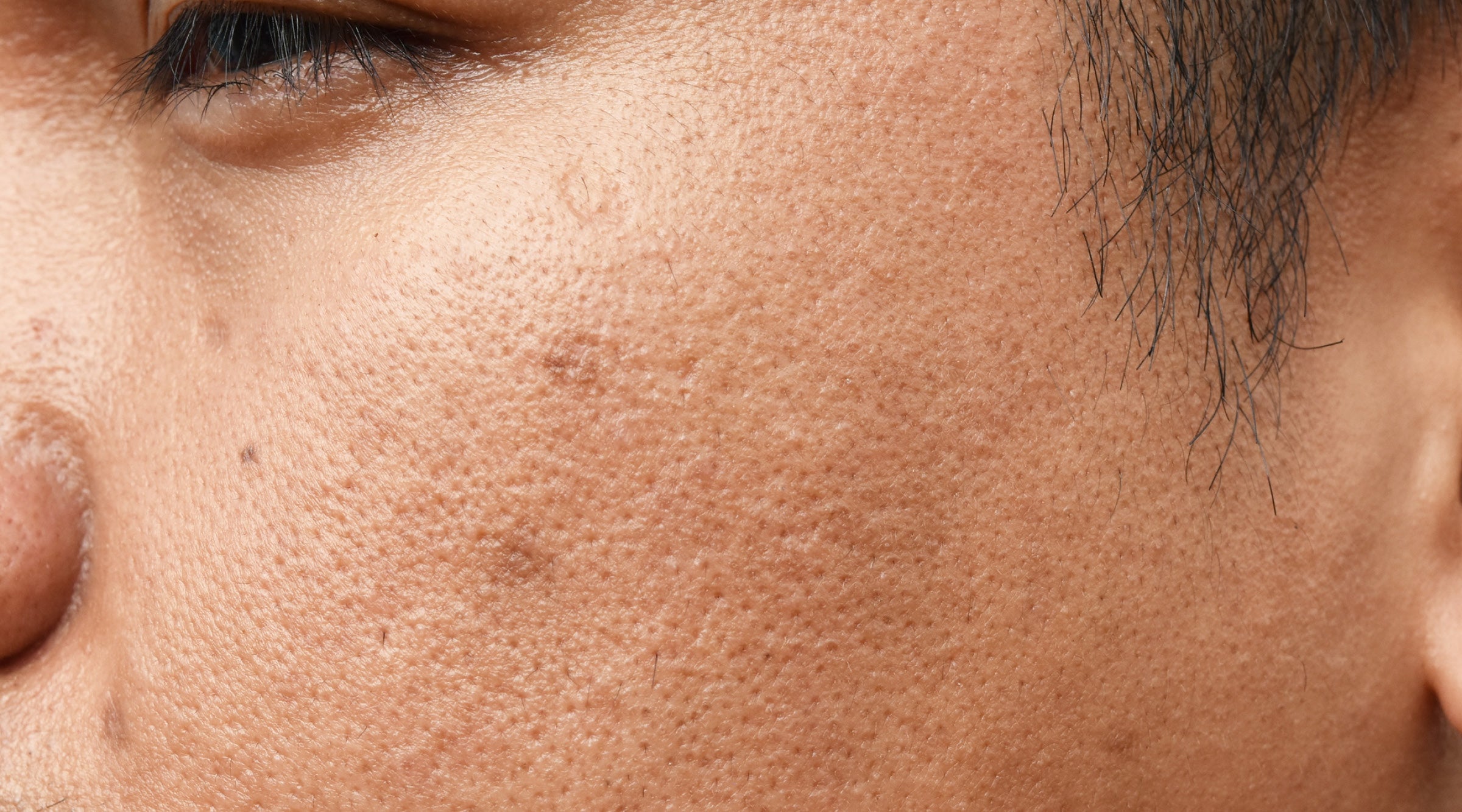
A close-up view of typical combination skin, showing oily shine in the T-zone and drier texture on the cheeks:
Causes of Combination Skin
Combination skin arises from uneven sebum production across the face, influenced by internal and external factors. Primary contributors include:
- Genetics: Inherited traits often determine baseline sebum levels and distribution, making some prone to this type.
- Hormonal Fluctuations: Changes during puberty, menstruation, pregnancy, or stress can increase oil in the T-zone while drying other areas.
- Environmental Factors: Heat, humidity, pollution, or seasonal changes (e.g., dryness in winter, oiliness in summer) disrupt balance.
- Lifestyle and Diet: Irregular sleep, high-glycemic foods, or poor habits can trigger imbalances.
- Skincare Practices: Using harsh products or over-cleansing can strip dry areas while causing rebound oiliness in others.
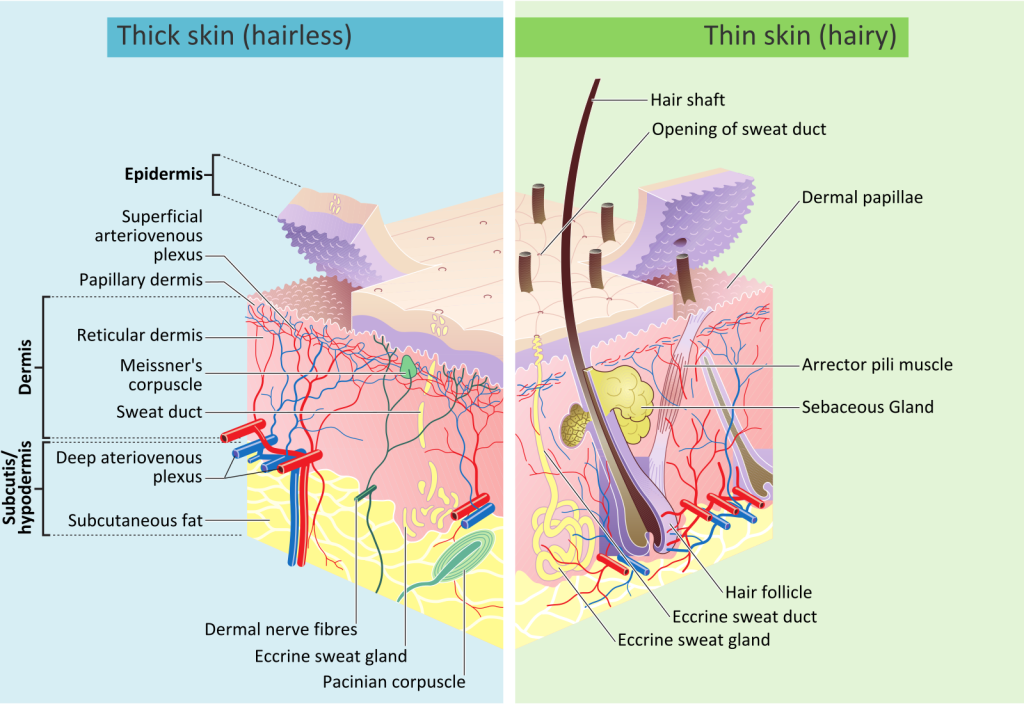
Here's a diagram illustrating skin structure, highlighting variations that contribute to combination traits like uneven sebum glands:
Problems and Effects of Combination Skin
This skin type combines issues from both oily and dry skins, leading to inconsistent texture and concerns, though it may provide balanced aging in some cases.
- Uneven Shine and Texture: Oily T-zone with visible pores and greasiness, contrasted by tight, rough, or flaky cheeks.
- Breakouts and Dry Patches: Acne, blackheads, or pimples in oily areas alongside irritation or cracking in dry zones.
- Makeup Challenges: Products may slide off oily spots or cling to dry patches, making application uneven.
- Irritation and Sensitivity: The mix can heighten overall reactivity to products or environment.
- Emotional Impact: Frustration from inconsistent results or self-consciousness about appearance.
- Positive Effects: Oily areas may resist wrinkles better, while the type overall can adapt seasonally.
An example of combination skin effects, such as acne in the T-zone and dryness on the cheeks:
Tips for Managing Combination Skin
Balancing combination skin involves targeted care to hydrate without adding oil and control shine without drying.
- Cleanse gently with a water-soluble, non-foaming formula to remove excess oil without stripping dry areas.
- Use lightweight, oil-free moisturizers or gel-based ones to hydrate cheeks while mattifying the T-zone.
- Incorporate spot treatments like salicylic acid for oily zones and hydrating masks for dry patches weekly.
- Opt for non-comedogenic, balanced products; avoid heavy creams or alcohol-based toners.
- Multi-mask: Apply different masks to specific areas for customized care.
- Maintain consistency, and consult a dermatologist if issues like acne persist.
Visual tips for a skincare routine tailored to combination skin:
:max_bytes(150000):strip_icc()/Health-Skincare-routine-2-24a82e592e4b4b52b22fce0d1f64d6a0.jpg)
With the right approach, combination skin can be balanced and healthy—patience and adaptation are essential! If concerns continue, professional guidance is recommended.