The Genetic Blueprint of Your Skin: How DNA Influences Skin Types and Health
The Genetic Blueprint of Your Skin: How DNA Influences Skin Types and Health
Your skin is your body's largest organ, and while lifestyle, environment, and skincare habits play big roles in its appearance and health, genetics lay the foundation. From determining if your skin is oily or dry to influencing how it ages or reacts to irritants, your DNA shapes many key traits. Understanding this can help you tailor your routine for better results. Let's dive into how genetics impact skin types and related aspects.
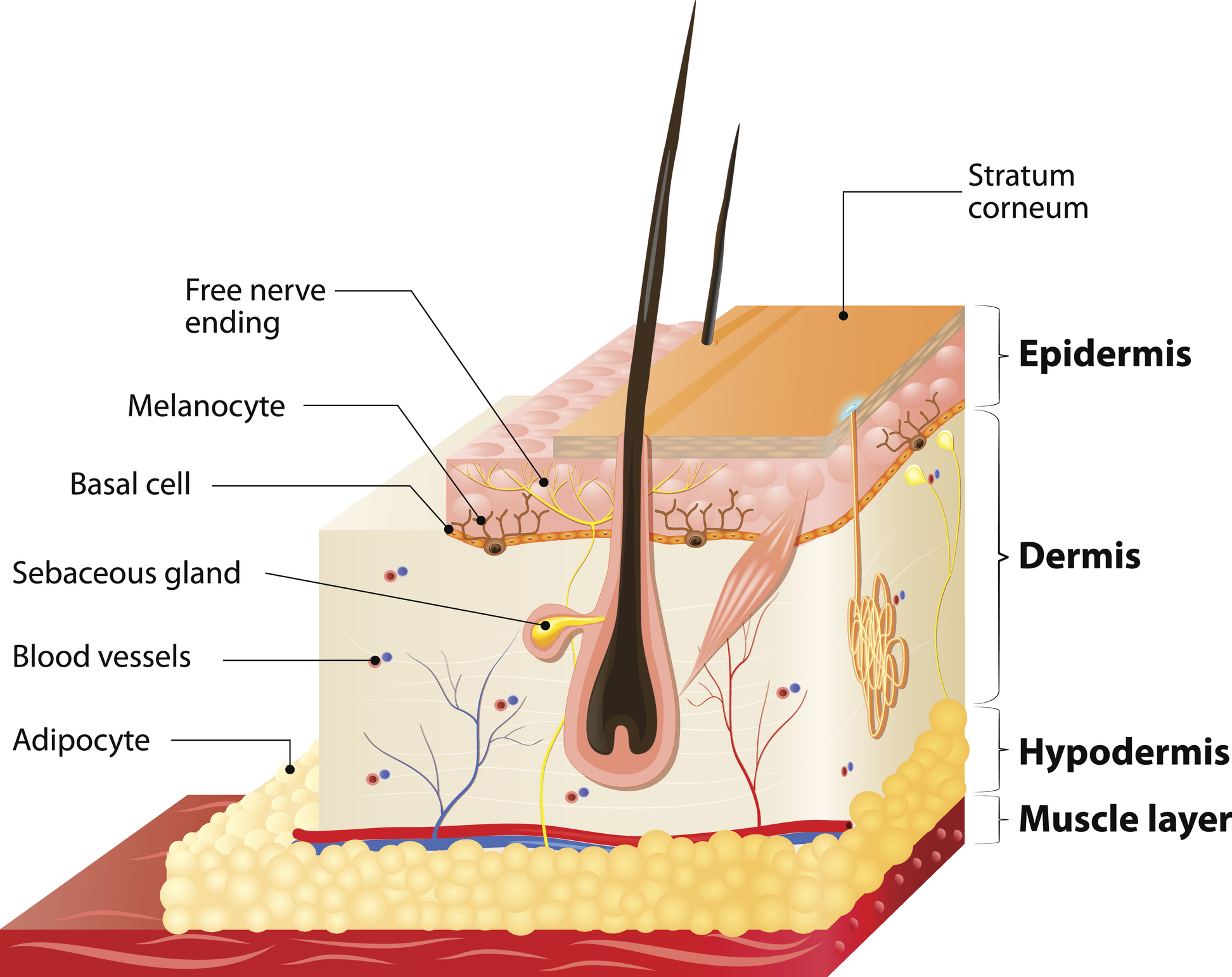
Here's an illustration showing the layers of the skin, where genetic factors influence everything from oil glands to melanin production.
1. Genetics and Basic Skin Types
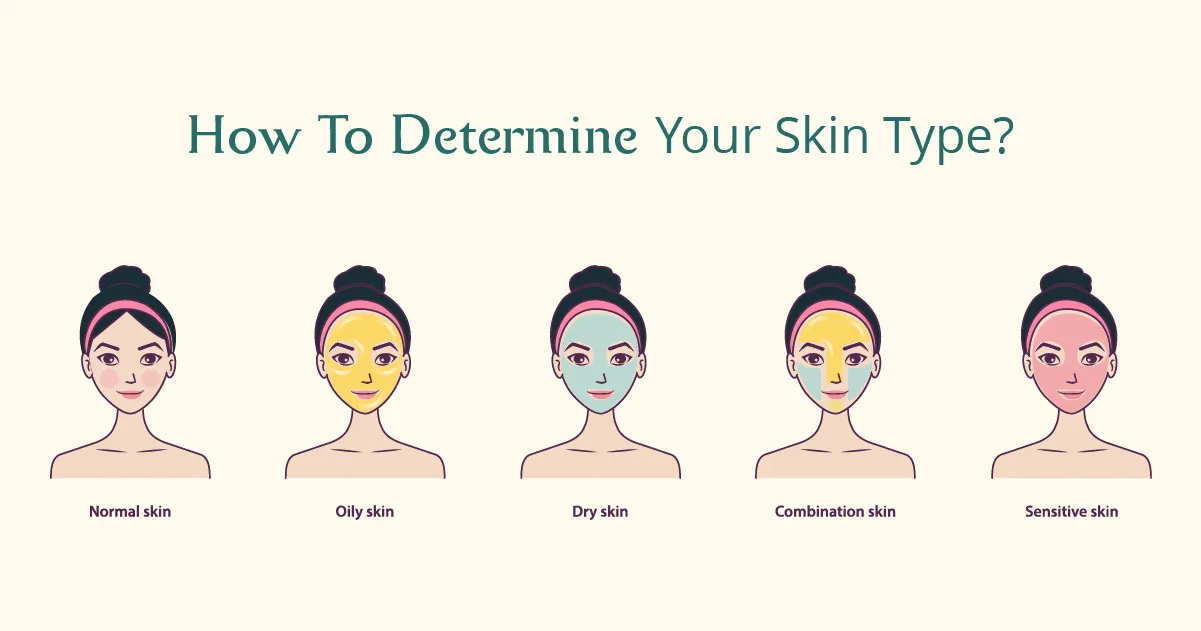
Skin types—normal, dry, oily, combination, and sensitive—are largely inherited. Your genes regulate sebum (oil) production, moisture retention, and barrier function.
- Oily Skin: Genes that amp up sebum production can lead to shiny skin and larger pores.
- Dry Skin: Lower genetic expression for moisture-binding proteins like filaggrin results in flaky, tight skin.
- Combination Skin: A mix where genes cause oilier T-zones but drier cheeks.
- Normal Skin: Balanced sebum and hydration levels from optimal genetic factors.
- Sensitive Skin: Genetic variations in skin barrier genes make it more prone to irritation.
Visual examples of these skin types:
2. Skin Color and Pigmentation
The amount and type of melanin your body produces is genetically coded, affecting your skin tone and natural UV protection. Genes like MC1R influence whether you have fair, medium, or dark skin, and can predispose you to conditions like vitiligo or melasma.
An illustration of how genes relate to melanin in skin cells:

3. Susceptibility to Skin Conditions
Genetics can predispose you to issues like acne (from follicle shape and inflammation genes), eczema, psoriasis, or even skin cancer. For example, polygenic risks mean multiple genes contribute, often interacting with environment.
4. Genetics and Skin Aging
How your skin wrinkles, loses elasticity, or develops age spots is partly genetic. Variations affect collagen and elastin production, antioxidant levels, and DNA methylation in skin cells. Higher melanin from genetics can offer some protection against photoaging.
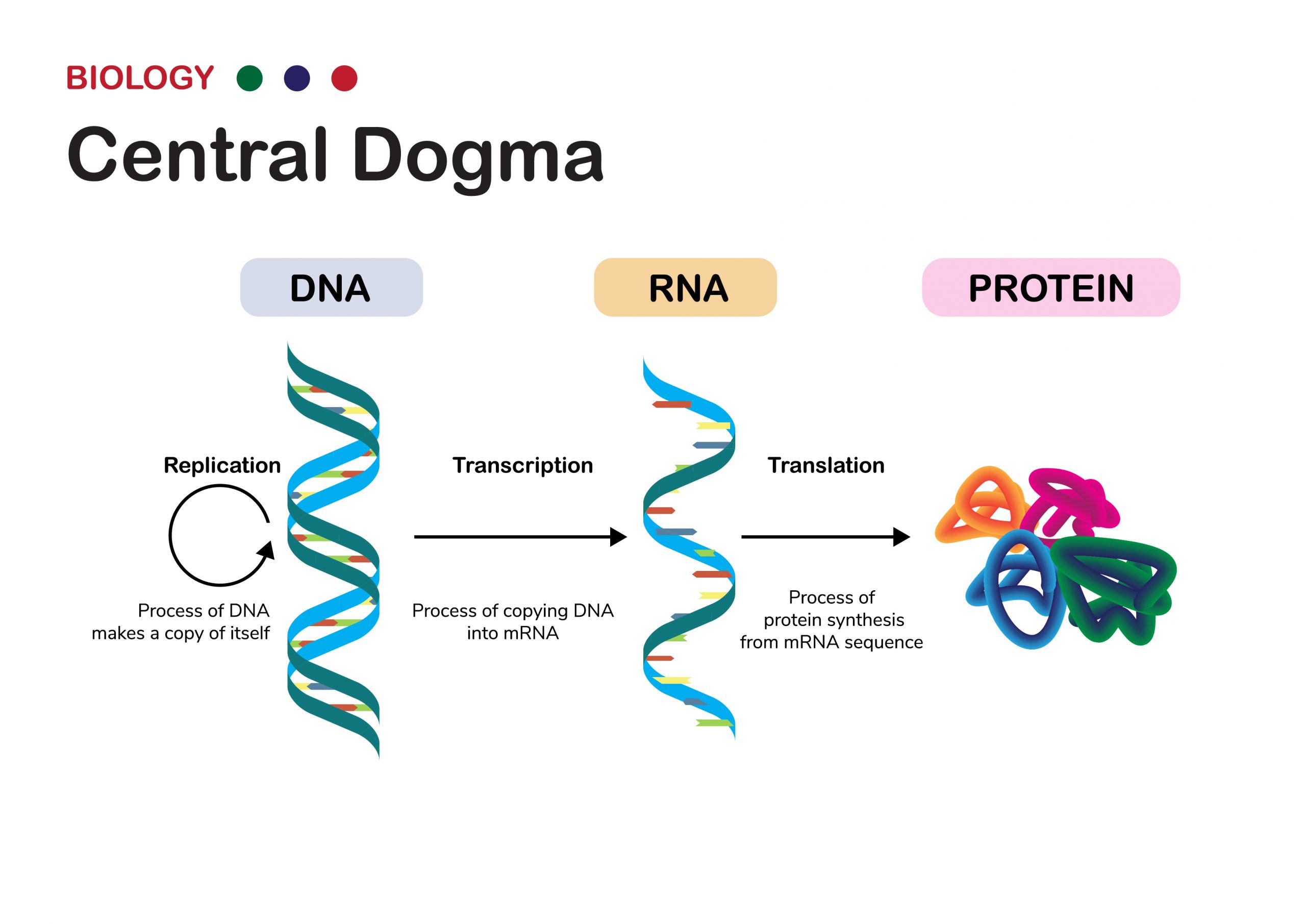
A conceptual view of how DNA translates to proteins that build and maintain skin:
Tips for Working with Your Genetic Skin Profile
While you can't change your genes, you can optimize with lifestyle: Use sunscreen, hydrate, and choose products suited to your type. Genetic testing (like from dermatology services) can provide personalized insights. Remember, environment modifies genetics—sun exposure, diet, and stress matter too.